Services

Climatriz primarily focuses on providing ESG consulting services to help companies follow the sustainability reporting process correctly.

ESG Gap Assessment

We help you identify gaps in your ESG practices and receive actionable recommendations for improvement.

Reporting and Disclosure

We ensure transparent and accurate presentation of your ESG data, helping you comply with global reporting frameworks and build trust with stakeholders.
ESG Materiality Assessment

We assist you in prioritizing ESG issues relevant to your stakeholders and business operations, guiding strategic decision-making.

Data Analysis and Reporting

We conduct in-depth data analysis and create impactful reports that resonate with stakeholders, fostering engagement and transparency.

ESG strategy development and implementation

We help businesses develop and implement robust ESG strategies aligned with their values and objectives

International Standards Alignment

We align your ESG reporting with recognized global standards like GRI and SASB, enhancing your credibility and comparability on a global scale.

Global Framework Integration

We provide guidance in navigating and integrating diverse global sustainability frameworks such as TCFD, EU Taxonomy, CSRD, UNGC, and others.
ESG Ratings Improvement

We assist businesses in enhancing their ratings from prominent global rating providers such as MSCI, Sustainalytics, ISS, S&P, CDP, Refinitiv, and others.


ESG Consulting Services

In recent times, Environmental, Social & Governance factors are being recognized as business risks and opportunities that have a long-term effect on corporate performance and business sustainability. We help companies focus on strengthening their sustainable performance with end-to-end solutions. Our expertise lies in Materiality Assessment, Improving Disclosure Quality, Improving ESG Ratings, Assessing Sustainability Performance, Bridging Gaps, Monitoring Progress, and driving resilience to ensure Business Continuity and Sustainability. Our methodology integrates all relevant international standards and frameworks such as BRSR, TCFD, GRI, CDP, SASB, PRI, DJSI and many more.

Climate Change Risk Assessments

The impacts of climate change are felt across all industries. The climate crisis is changing the way we operate our businesses. It is quite evident that risks related to Climate change issues are part of the regular risk factors that all businesses must face. The potential damages due to mismanaging Climate Change issues are much greater than the expense to mitigate the risk in the first place. Through our expertise, we help companies identify, assess and mitigate different types of risks such as Financial, Regulatory, Legal, Operational, Socio-Economic, Geo-political, Supply-Chain, Environmental, Energy Transition etc.

Watershed Assessment

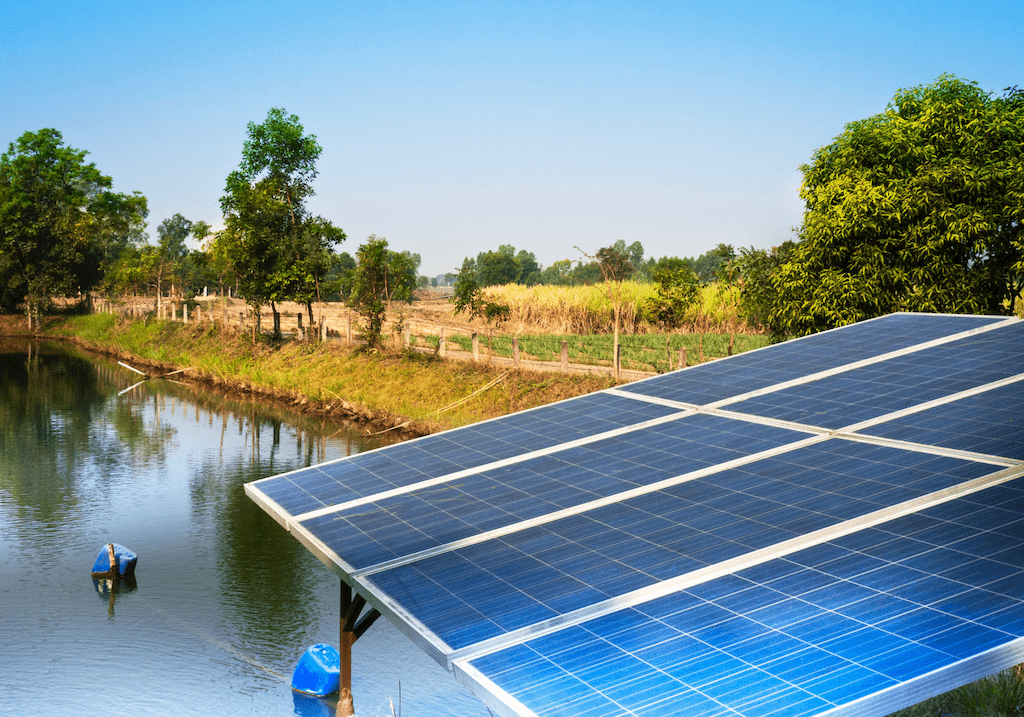
Our approach to watershed assessment involves facilitating stakeholder involvement supported by science and innovative technologies to analyze watershed data and integrate it into the decision-making process. Our Specialized services include Hydrological Assessment, Disaster management (Drought and Flood), Ecosystem Restoration, Efficient Agricultural Irrigation Advisory, Solar-powered Irrigation System, Groundwater recharge, Rainwater harvesting and many more. Our solutions provide complete stream biomonitoring and services and are equipped with appropriate Geospatial Data Modelling, GPS units, mobile mapping units and dashboard monitoring.

Climate-Smart Agriculture (CSA) Services

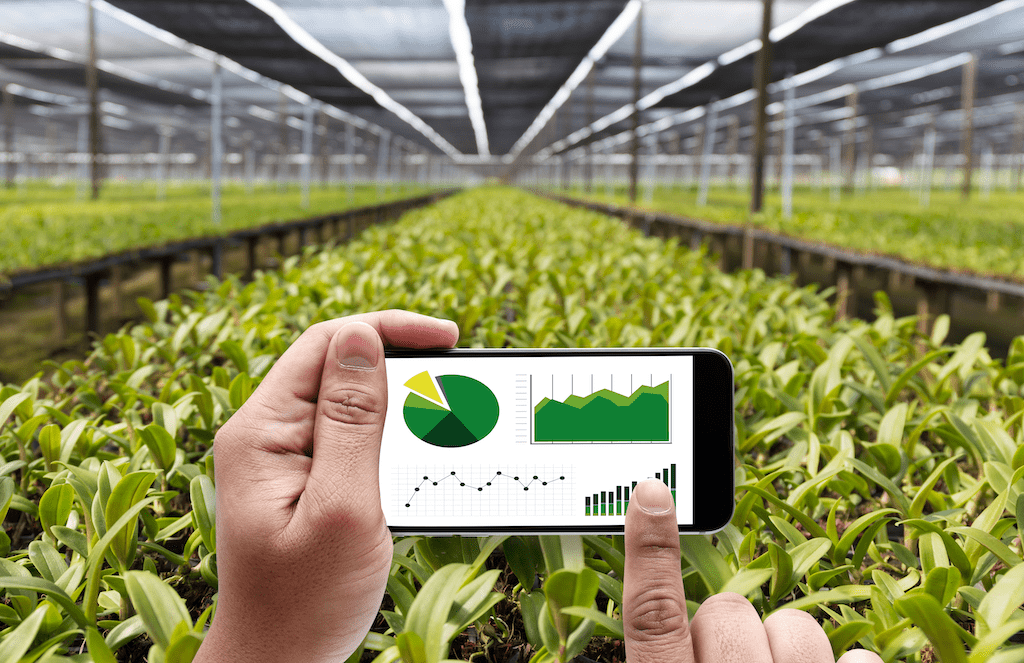
Climate-smart agriculture (CSA) is an integrated approach to managing landscapes—cropland, livestock, forests and fisheries--that address the interlinked challenges of food security and climate change. Our Research helps you attain 3 outcomes of the CSA- Increased productivity, Enhanced resilience, Reduced emission. Our team of experts equip you with knowledge and technologies to achieve sustainable agricultural production. Our solutions include Crop Modelling Agriculture Information System based on GIS Imagery, Production Forecasting, Procurement Planning, Farming Productivity advisory.

Frequently Asked Questions

ESG stands for Environmental, Social and Governance. These are the types of criteria or set of standards for a company’s operations used by investors in order to decide where their money will be invested.  

Environmental standards measure businesses’ impact on the planet.  

Social standards measure business’ contribution to communities and societies. 

Governance Standard measure how businesses conduct themselves in the world. 

The considerations of ESG factors in recent years have become critical to run the business successfully across all sectors. 

Customer, employees, shareholders, investors, rating agencies, suppliers and regulatory bodies are demanding businesses to assess how their business impacts the planet, their contribution towards the society and how they conduct themselves ethically.

In coming future, due to the rise of tsunami of Socially Responsible Investors (SRIs), businesses not taking ESG seriously are beginning to lose customers, employees, financing from investors, face regulatory actions, damage their brand reputation and eventually run out of business. 


COVID 19 has highlighted that companies that are resilient to sudden and extreme change and having abilities to undertake radical transformation are proven to be more sustainable in the long term.  

SRIs consider ESG factors in their investments to reduce their investment risk considering following aspects: 

  • Regulation 
  • Business Ethics 
  • Corporate Reputation 
  • Supply Chain Reliability 
  • Competitive Positioning 
  • Planet Stewardship 
  • Consumer Preference 

 In a nutshell, ESG investments are safer and more stable bets which can provide sustainable returns in the future.  

BRSR covers environmental, social, governance (ESG) and sustainability aspects.

BRSR can be described as a smooth integration between different regulatory frameworks and the company’s long-term and sustainability goals, which are key prerequisites for the decision-making process of different stakeholders.

Companies need to make statements addressing ESG-related challenges, goals, and outcomes. Companies need to identify the risks and opportunities they may face in order to become socially and environmentally responsible and well-governed companies.